Seasonal
Why NYC Winters Are Hard on Asthma — and What to Change Now
Cold air, dry radiator heat, indoor mold, and viral season — winter stacks four triggers on top of each other. Here's what we adjust in the office and what you can change tonight at home.
Published May 10, 2026 · 5 min read
Medically reviewed by Jovany Cartagena, MSN, FNP-BC, FNP-C, MSN, FNP-BC, FNP-C · Updated May 10, 2026
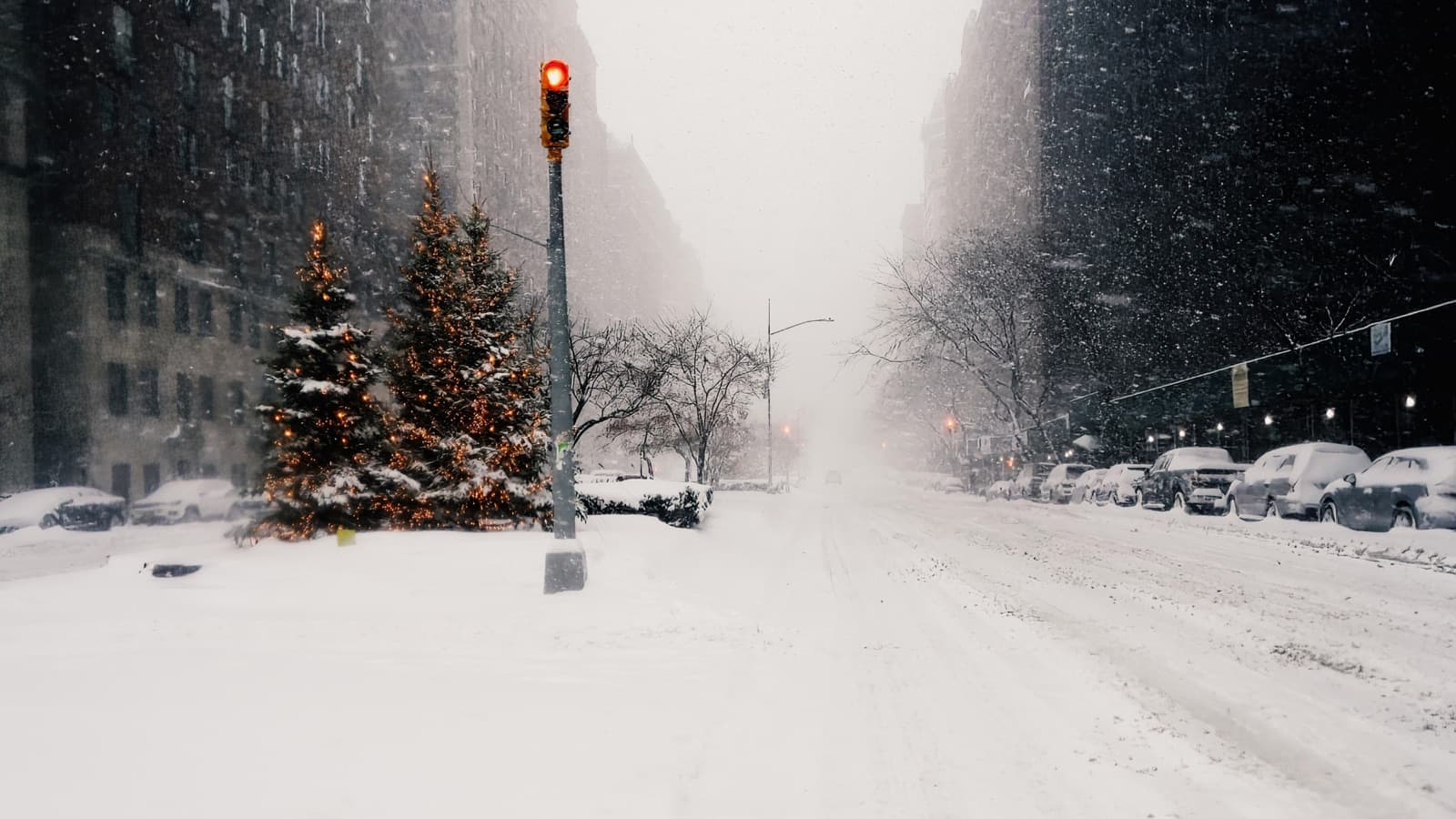
In the office we see two seasonal spikes a year: spring pollen, and the long December-to-February stretch when asthma quietly gets worse. The winter spike is less famous, partly because the triggers are harder to point at. Here are the four we look for first and what to change about each.
1. Cold air is its own trigger
Inhaling cold dry air can cause bronchoconstriction even in patients who otherwise feel controlled. The mechanism is straightforward — the airway cools, loses water, and reactive smooth muscle contracts.
What helps:
- Cover your nose and mouth with a scarf or buff on the walk to the subway. Yes, even on short walks. The warming of the inhaled air over a few inches of fabric is enough to blunt the response for many patients.
- Use your short-acting bronchodilator 15 minutes before going outside on the coldest days. Treating preemptively is more effective than waiting for symptoms.
- For exercise-induced symptoms, pre-treat the same way before outdoor runs or rink time.
2. Radiator heat is dry — and dust mites love the indoor humidity that follows
NYC radiator heat dries the air dramatically — but families compensate with humidifiers, and the cycle of moisture, dust, and warmth creates ideal conditions for dust mites in bedrooms.
What helps:
- Aim for 30-50% indoor humidity. A cheap hygrometer ($10 on Amazon) is the most valuable purchase a winter-asthma family can make.
- Wash bedding weekly in hot water (130°F+). Denatures the proteins that drive dust mite reactions.
- Mattress and pillow covers designed for allergen control — measurable benefit when consistently used.
3. Indoor mold from steam radiators and leaks
Older NYC apartments have steam radiators that vent moisture, plus the perennial problems of leaks behind walls and showers without ventilation. Mold loves all of these.
What helps:
- Walk every window and bathroom corner with a flashlight every two weeks during winter. Wipe any visible mold with a 70:30 water/bleach mix and call your building if it returns.
- Vent showers with the bathroom door open or a fan running for 15 minutes after.
- Avoid carpeting in bedrooms if a family member has documented mold allergy.
4. Viral respiratory illness — the silent driver of most winter flares
The single biggest reason asthma gets worse in winter is the cluster of respiratory viruses (rhinovirus, RSV, influenza, parainfluenza, and others). For most patients with asthma, a viral cold is what triggers the trip to urgent care.
What helps:
- Stay current on flu and COVID vaccines. The data on flu vaccine reducing asthma exacerbations is some of the strongest data in respiratory medicine.
- Have a written asthma action plan that distinguishes "yellow zone" (start oral steroid burst, use inhaler more often) from "green zone" routine.
- Don't wait to call us when a cold settles into your chest. We can frequently prevent an ER trip with a phone consultation and a same-day plan.
A baseline to aim for
The winters where patients do best look like this:
- Daily controller inhaler taken consistently every morning (no skipping when you feel fine)
- Short-acting rescue inhaler with you at all times
- One scarf, one hygrometer, one weekly bedding wash
- Vaccines current
- Action plan posted on the fridge so a partner or roommate can act on it
If you're doing all of that and still struggling in winter, you're a candidate for a deeper workup — pulmonary function testing, blood eosinophil count, and potentially a biologic.
Citations:
- Cold air-induced bronchoconstriction in asthma — American Journal of Respiratory and Critical Care Medicine
- Influenza vaccination in asthmatic children — Cochrane Database of Systematic Reviews
- Indoor allergens and asthma in the New York metropolitan area — Annals of Allergy, Asthma & Immunology