Insect Sting Allergy
Yellowjacket Season Is Here: What NYC's Peak Sting Months Mean If You're Allergic
Yellowjackets and wasps are ramping up across NYC as colonies peak from late July through September. Here's how to tell a normal sting reaction from a dangerous one, why yellowjackets cause most sting allergies, and when to see an allergist about venom immunotherapy.
Published July 31, 2026 · 7 min read
Medically reviewed by Dr. Robert Tamayev, MD, PhD · Updated July 31, 2026
Key Takeaways
- Late July through September is peak stinging-insect season in NYC: yellowjacket colonies are now at their largest, and their diet shifts from insects to sugary human food, which is why they start crashing outdoor meals, trash areas, and rooftop gatherings.
- Yellowjackets cause the majority of sting-related allergic reactions in the US, largely because their nests are hidden and their stinger isn't barbed, so they can sting repeatedly in one encounter. An estimated 0.5% to 4% of people have true venom sensitivity, and roughly 1% are at risk for a severe, potentially life-threatening reaction.
- A large local reaction (swelling that spreads several inches and lasts days) is uncomfortable but not the same as a systemic allergic reaction (hives away from the sting site, throat tightness, dizziness, trouble breathing). The second is a medical emergency.
- If you've ever had a systemic reaction to a sting, an allergist can confirm the trigger with venom testing and offer venom immunotherapy, which is roughly 90 to 98% effective at preventing future severe reactions, and anyone with a known sting allergy should carry two epinephrine auto-injectors during sting season.
Why this is the moment to pay attention
If you've noticed more wasps circling the trash cans outside your building, hovering near an outdoor brunch table, or nesting in a window AC unit, that's not your imagination. Yellowjacket and wasp colonies build steadily from a single overwintered queen in spring to thousands of workers by late summer. As natural food sources (other insects) decline, workers switch to scavenging sugary human food (soda cans, fruit, anything sweet left out at a barbecue or rooftop gathering) which puts them in direct contact with people far more than earlier in the season.
For most New Yorkers, that means a higher chance of an annoying sting. For patients with a true venom allergy, it means a higher-risk window that runs from now through the first frost.
Understanding sting reactions, and why not all of them are "allergic"
Normal reaction
Pain, redness, and swelling confined to the sting site, usually resolving within a few hours to a day. This is the expected response to venom and doesn't require an allergist.
Large local reaction
Swelling that spreads well beyond the sting site (sometimes an entire limb) and can last several days. It looks alarming but is still a localized skin response, not a systemic allergic reaction. It does modestly raise the odds of a future large local reaction, though not necessarily anaphylaxis.
Systemic allergic reaction (the one that matters most)
Hives or itching away from the sting site, swelling of the lips, tongue, or throat, wheezing or shortness of breath, dizziness or fainting, nausea, or a drop in blood pressure. This is a true allergic reaction and can progress to anaphylaxis, a life-threatening emergency.
The pattern we see every summer is someone who's been stung before with 'just swelling,' gets stung again in August or September, and this time it's different: hives spreading, throat feels tight. People are often surprised that reactions can escalate from one sting to the next. If you've had any whole-body symptoms after a sting, that's the visit to make before your next sting, not after.
— Dr. Robert Tamayev, MD, PhD, Allergy Asthma
Why yellowjackets specifically
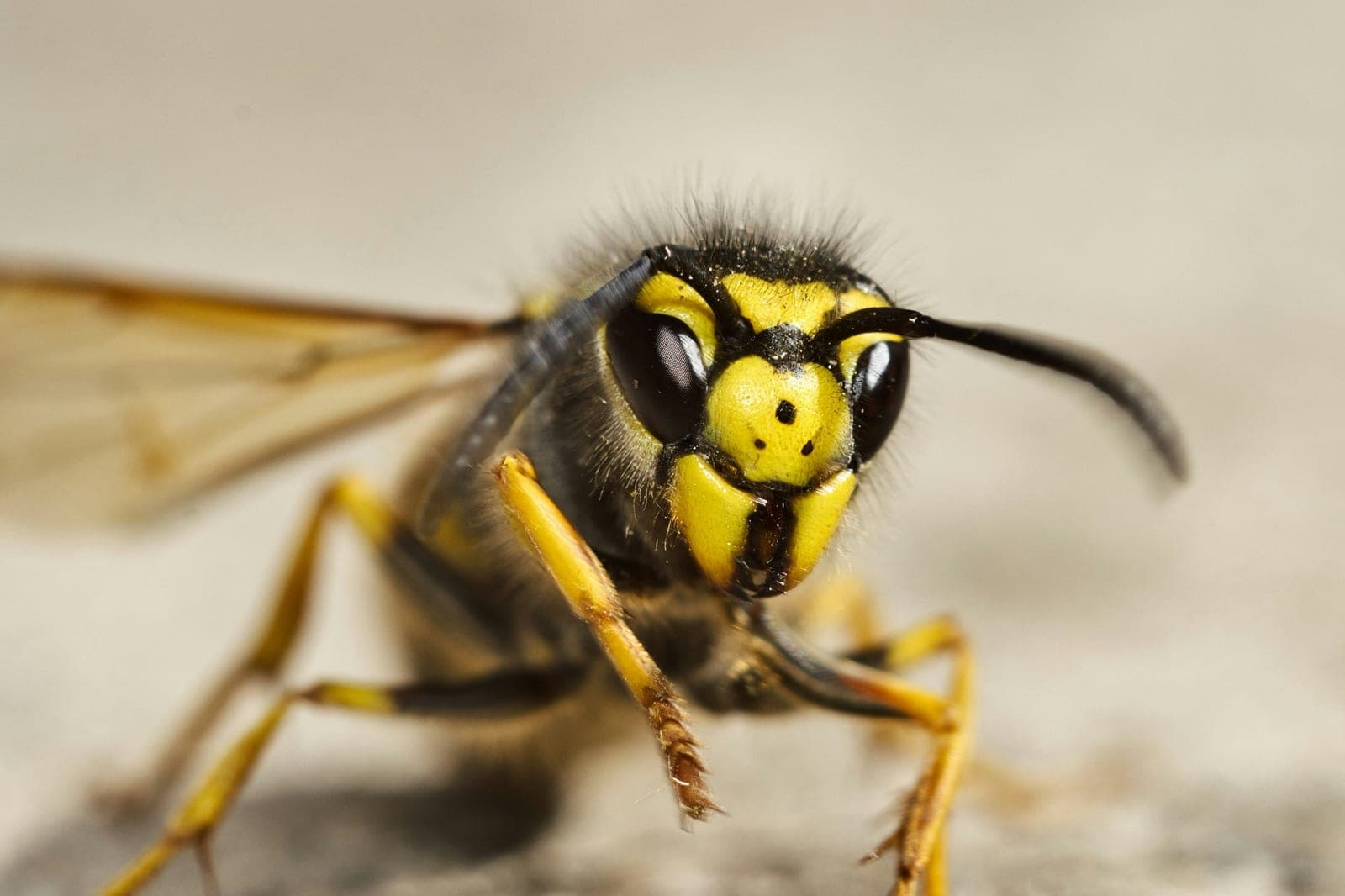
Their stinger is smooth, not barbed, so a single yellowjacket can sting multiple times in one encounter, unlike a honeybee, which stings once and dies. Nests are frequently hidden underground, in wall voids, or inside AC units, so people often don't realize they're near a colony until they've already disturbed it, and colony defense is a group response, meaning disturbing a nest can mean multiple stings at once, which delivers a higher venom dose and raises the risk of a systemic reaction.
What this looks like across NYC's 9 locations
Stinging insect exposure in New York City isn't just a backyard problem the way it might be in the suburbs. Rooftop gatherings, sidewalk cafés, community gardens, playgrounds, and building trash areas are the most common sting sites we hear about from patients across our locations. Outdoor dining and rooftop spaces are prime yellowjacket territory in August and September, so keep food and sweet drinks covered and check for nests in umbrella frames or planters before events. Window AC units and building eaves are common nesting spots in NYC apartment buildings, and a low buzzing sound near a vent or unit is worth having checked by a licensed pest professional rather than disturbing it yourself. Parks and community gardens also see a real uptick in ground-nesting yellowjacket activity by late summer, so watch for insects flying in and out of a single ground-level opening.
When to see an allergist, and when it's an emergency
Book a visit if you've ever had hives, swelling away from the sting site, or any breathing symptoms after a sting, if you've had a large local reaction and want to understand your future risk, if you want to discuss venom immunotherapy after a prior systemic reaction, or if you or your child has a known sting allergy and needs an updated epinephrine prescription or action plan before sting season peaks.
Call 911 or use epinephrine immediately if, after a sting, you have:
- Swelling of the lips, tongue, or throat, or a feeling of throat tightness
- Difficulty breathing or wheezing
- Dizziness, fainting, or a rapid heartbeat
- Hives or swelling spreading beyond the sting site
Use the epinephrine auto-injector first, then call 911, even if symptoms start to improve, you still need to be seen, since symptoms can return.
Disclaimer: This content is educational and does not substitute for medical advice. Always consult your physician for personal medical questions.