Indoor Allergies
Why Turning On the Radiators Might Be Making Your Fall Allergies Worse
When NYC apartments switch on heat for the first time each fall, months of accumulated dust and allergens get released into the air. Here is why that first week of heating season often triggers a flare, and how to reduce it.
Published September 14, 2026 · 6 min read
Medically reviewed by Dr. Robert Tamayev, MD, PhD · Updated September 14, 2026
Key Takeaways
- When heating systems switch on for the first time each fall, months of accumulated dust, dander, and mold spores sitting in vents and radiators get released directly into the air.
- This effect, sometimes called "heater sickness," causes congestion, coughing, sore throat, and sneezing that can be mistaken for a cold, but it's driven by allergen exposure rather than a virus.
- Forced air heating also dries out indoor air, which irritates nasal and sinus passages on its own and can make existing allergy or asthma symptoms feel worse.
- Symptoms from this effect typically improve within the first week of the heating season as accumulated dust burns off and clears out, but proactive cleaning before the first turn-on reduces the flare substantially.
Why the first cold snap of the season brings more than cold weather
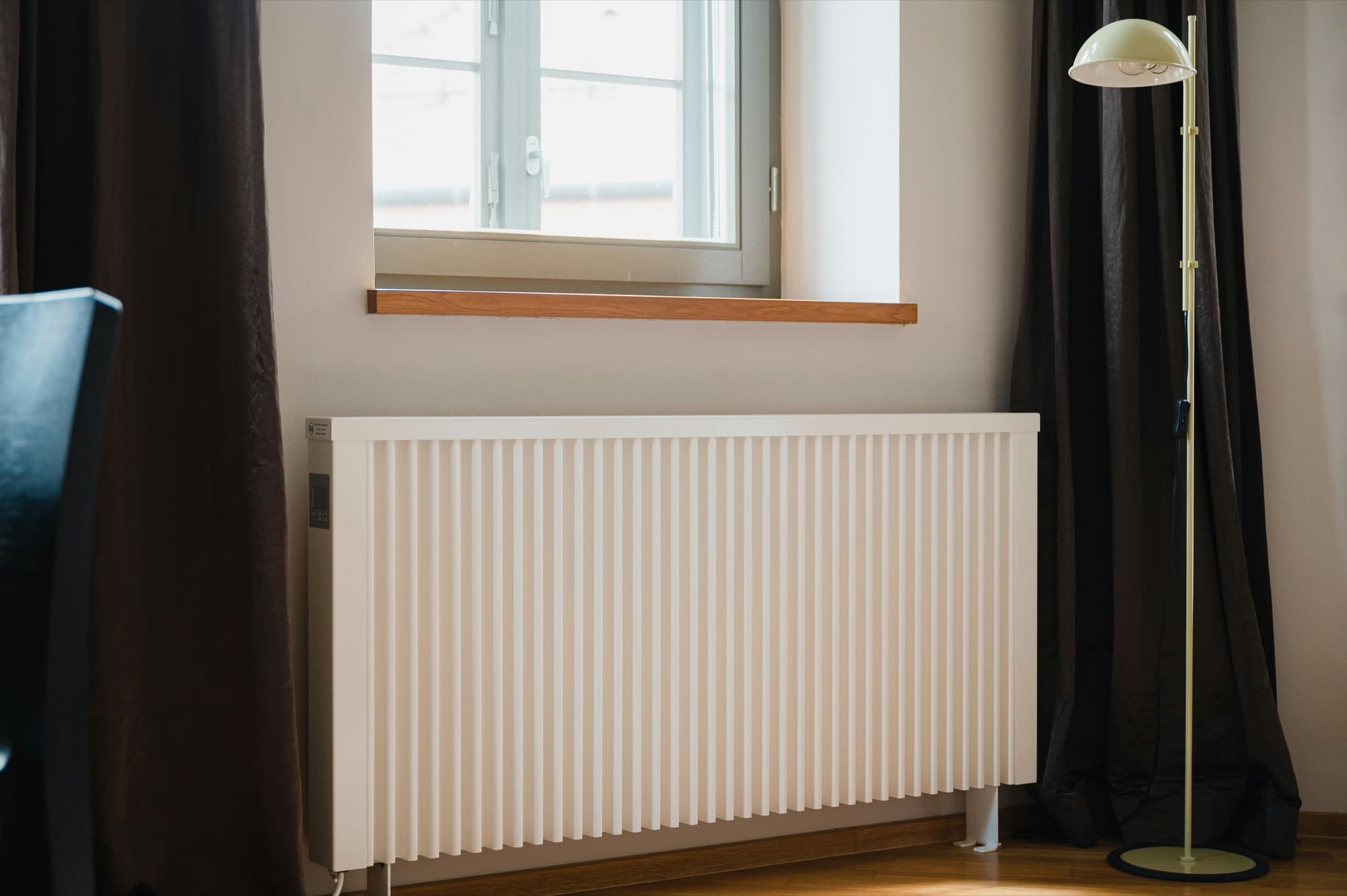
If the week you switch on your heat for the first time each fall reliably comes with a few days of sneezing, coughing, or a scratchy throat, that's not a coincidence. Heating vents, radiator units, and ductwork sit unused for months during the warmer part of the year, and in that time, dust, pet dander, and mold spores settle and accumulate inside them. The moment heat kicks back on, all of that gets stirred up and pushed directly into the air of your apartment, right as you're breathing it in.
This is common enough that it has an informal name, heater sickness, and it affects people with and without diagnosed allergies, though it tends to hit allergy and asthma patients harder and longer.
What is actually happening
Accumulated dust and allergens getting redistributed
Heating elements and ductwork can accumulate dust, dead skin cells, and other organic material over months of disuse, and where there's dust and moisture, mold has an opportunity to grow as well. When the system starts running again, that material doesn't stay put. It circulates through the same airflow that's warming the room, meaning it ends up distributed through the living space rather than staying contained.
Dry air adds its own irritation
Separately from the dust issue, forced air and radiator heat both tend to lower indoor humidity, and dry air on its own irritates nasal and sinus membranes, sometimes to the point of nosebleeds in more sensitive individuals. For someone already managing allergies or asthma, that added dryness can make existing symptoms feel more pronounced even without any additional allergen exposure.
In older NYC buildings especially, with radiator systems that have been sitting untouched since spring, that first week of heat can genuinely knock people's allergies or asthma off balance. The good news is it's usually temporary and very manageable once you know what's actually causing it. Patients are often relieved just to understand why their symptoms flare at the exact same time every year, and that there's something specific we can do about it.
— Dr. Robert Tamayev, MD, PhD, Allergy Asthma
What actually helps
If you have any control over your heating system's filter, replacing it before the season's first use, and every one to three months afterward, meaningfully reduces how much accumulated debris gets circulated. Dusting and vacuuming with a HEPA-filtered vacuum in the days before you expect to turn heat on, especially around vents and radiator units, cuts down on the material available to redistribute. For apartment dwellers without control over central filtration, a portable HEPA air purifier in the bedroom or main living space offers a practical way to filter what does get released. A humidifier can help offset the dryness forced air and radiator heat both create, though it needs regular cleaning itself, since a dirty humidifier introduces its own mold and bacteria risk. If you take a daily allergy medication seasonally, starting it a few days before you expect to switch on heat, rather than waiting for symptoms to start, tends to blunt the flare considerably.
When to book a visit
Consider scheduling an evaluation if this pattern repeats every year and is disruptive enough that it's worth a more proactive plan, if symptoms from the start of heating season last longer than a week or two, or if you're not sure whether what you're experiencing is heater-related dust exposure, a mold sensitivity, or a separate seasonal allergy that simply overlaps with when the heat comes on.
Disclaimer: This content is educational and does not substitute for medical advice. Always consult your physician for personal medical questions.