
Environmental Allergies
The Allergy Season Nobody Talks About: Dust Mites and NYC Apartment Living
Dust mite allergy does not follow a pollen calendar and often peaks as summer humidity lingers into early fall. Here is why NYC apartments are especially prone to it, and what actually reduces exposure.
Published August 11, 2026 · 6 min read
Medically reviewed by Dr. Robert Tamayev, MD, PhD · Updated August 11, 2026
Key Takeaways
- Unlike pollen allergies, dust mite allergy is perennial, year-round, but symptoms often peak in late summer and early fall when indoor humidity is highest, since dust mites thrive in humid conditions.
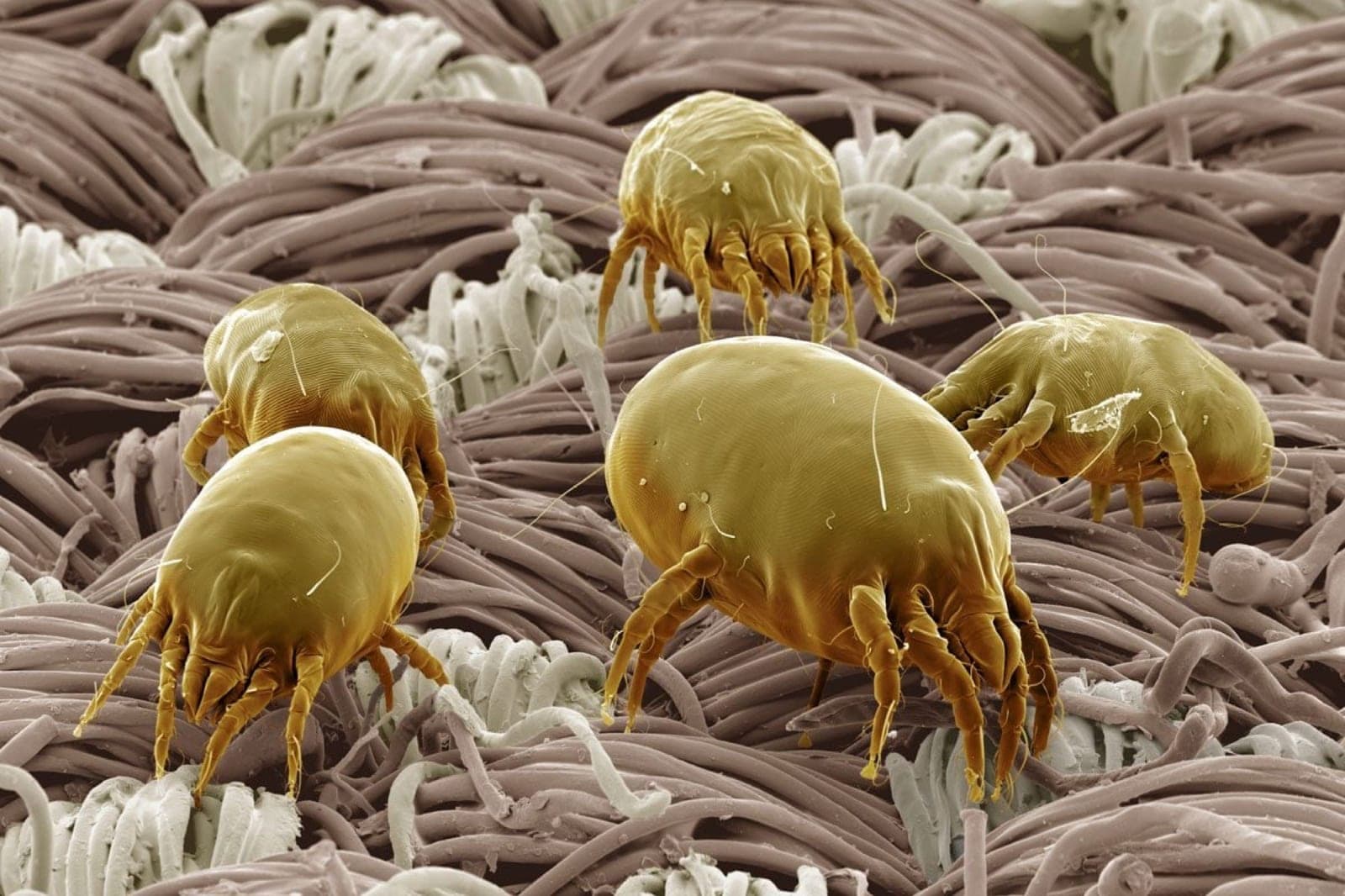
- Dust mites live in bedding, upholstered furniture, carpeting, and soft furnishings, feeding on shed human skin cells, and their droppings, not the mites themselves, are the primary allergen.
- NYC's older, pre-war apartment buildings and radiator heating create conditions, older carpeting, limited humidity control, and less consistent ventilation, that can support higher dust mite populations than newer construction.
- Encasing mattresses and pillows, washing bedding weekly in hot water, and reducing indoor humidity are proven, evidence-backed ways to meaningfully cut exposure, more effective than most air purifiers alone.
Why dust mites deserve their own conversation
Most allergy conversations follow the pollen calendar, tree pollen in spring, grass in early summer, ragweed in fall. Dust mite allergy does not fit that pattern, which is part of why it gets less attention despite being one of the most common year-round allergy triggers, particularly for people with persistent congestion, sneezing, or asthma symptoms that never fully go away regardless of season. Symptoms often do have a mild seasonal rhythm of their own, tending to peak in late summer and early fall when indoor humidity is at its highest, since dust mites thrive specifically in warm, humid environments.
What dust mites are and why they trigger allergies
The allergen is the droppings, not the mite itself
Dust mites are microscopic organisms that live in soft household materials and feed on shed human skin cells, which is why they concentrate in mattresses, pillows, upholstered furniture, carpeting, and stuffed toys. The primary allergen isn't the mite itself but proteins in its waste, which become airborne with normal household activity like making a bed or vacuuming and are then inhaled, triggering the same kind of allergic response as pollen or pet dander.
Why humidity matters so much
Dust mites need moisture to survive, and their populations grow fastest in indoor humidity above roughly 50 percent. This is why symptoms often intensify during the humid stretches of late summer, even though dust mites are technically present year-round, and why humidity control is one of the most effective, evidence-based interventions available.
Why NYC apartments are a particular challenge
New York's housing stock adds some specific challenges to dust mite control. Older, pre-war buildings frequently have original or aging carpeting, radiator heating systems that are difficult to pair with consistent humidity control, and less modern ventilation than newer construction, all of which can support higher dust mite populations than a more controlled, newer environment. Apartment living also generally means less square footage per soft surface, mattresses, upholstered furniture, and rugs are often closer together and used more intensively than in a larger home, which increases everyday exposure.
Dust mite allergy is one of the more under-recognized triggers we see, especially in patients who assume their congestion is 'just allergies' without connecting it to anything specific, since there's no obvious pollen count to blame it on. Once we test for it and confirm it, the good news is that unlike pollen, this is one of the few allergens where a handful of very specific, well-studied changes at home can genuinely reduce a person's exposure and symptoms.
— Yuliya Leviyev, NP, Allergy Asthma
What actually reduces exposure
Encasing mattresses, box springs, and pillows in allergen-proof, tightly woven covers is one of the most effective single interventions available, since it blocks the primary reservoir of exposure during the many hours spent in bed each night. Washing bedding weekly in hot water, at least 130 degrees Fahrenheit, kills existing dust mites and removes allergen buildup, and keeping indoor humidity below 50 percent, using a dehumidifier if needed, particularly during humid months, directly limits how well dust mites can survive and reproduce. Removing wall-to-wall carpeting where possible, or vacuuming regularly with a HEPA-filtered vacuum where removal isn't practical, and washing stuffed toys regularly for households with young children, round out the interventions with the strongest evidence behind them.
When to book a visit
It is worth scheduling an allergy evaluation if you have congestion, sneezing, or itchy eyes that persist year-round rather than following a clear seasonal pattern, if your symptoms seem worse at home or specifically in your bedroom, or if you have asthma symptoms that flare overnight or first thing in the morning, since dust mite allergy can be confirmed with straightforward testing and, once identified, responds well to a combination of home changes and treatment.
Disclaimer: This content is educational and does not substitute for medical advice. Always consult your physician for personal medical questions.